

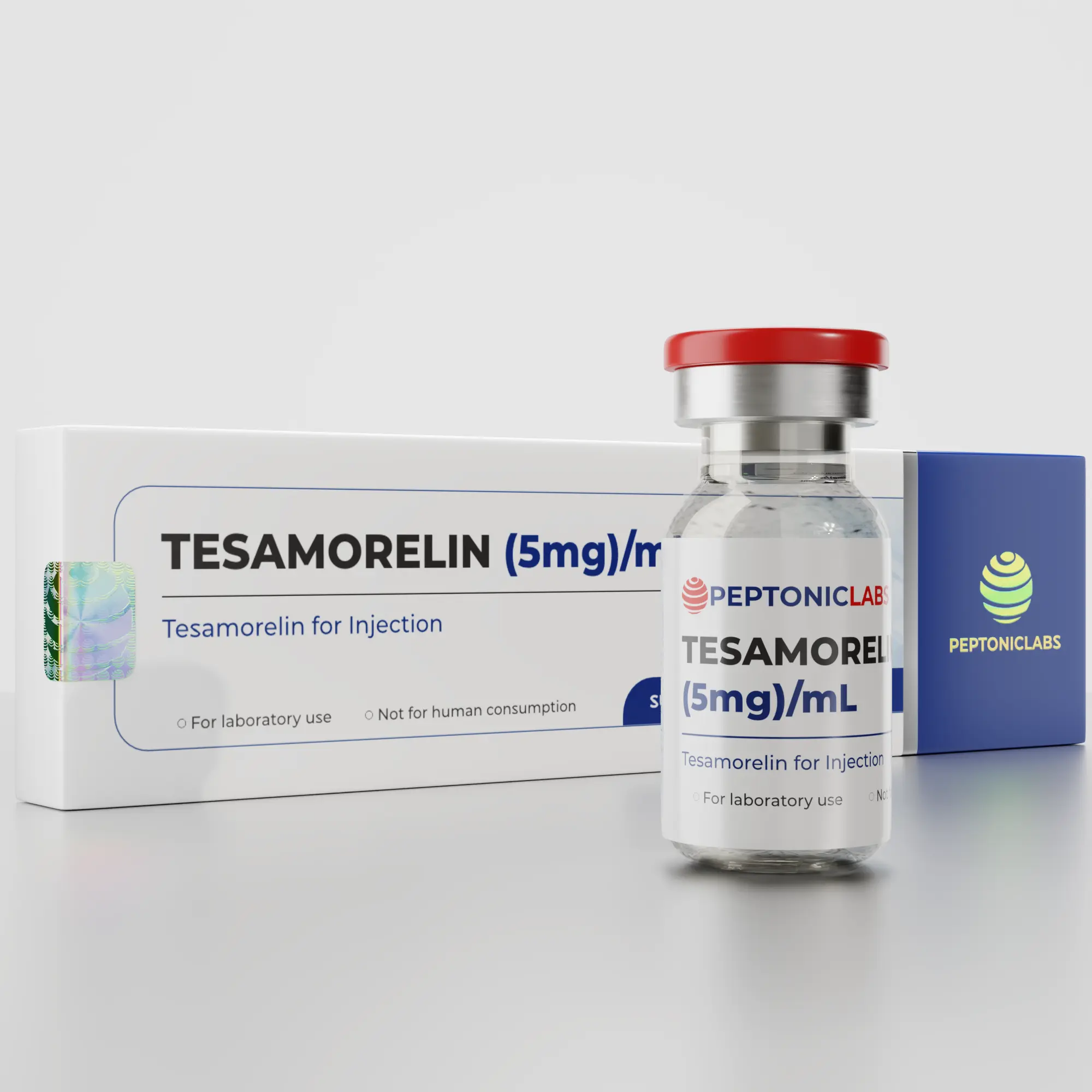
Peptide research continues to evolve as laboratories and research institutions examine compounds with regenerative potential and biochemical stability. Among these peptides , tesamorelin for sale has attracted growing interest for their structural homes and expanding study applications. With raising demand across laboratory settings, the 10 mg format is now especially common because of its ease, security, and suitability for managed experimental protocols.
What Is BPC-157 and Why Is It Trending?
BPC-157 is an artificial peptide produced from a protective protein sequence. It has been commonly reviewed in preclinical surroundings for its potential position in structure regeneration research, general reaction studies, and gastrointestinal reliability models.
New lab procurement knowledge implies that peptide-based study substances have become by around 30% internationally previously three years. Within this group, regenerative peptides signify one of the fastest-expanding pieces, pushed by fascination with healing science and molecular fix mechanisms.

What Does Current Research Focus On?
Laboratory investigations frequently examine:
Cellular migration and angiogenesis types
Smooth tissue healing systems
Muscle and ligament repair simulations
Gastrointestinal mucosal reaction reports
Inflammatory pathway modulation
Statistical opinions of published experimental information show a constant escalation in peptide-focused textbooks year over year. Research listings show a regular rise in experimental recommendations attached to regenerative peptide compounds.
Why Is the 10 mg Format Preferred?
The 10 mg vial structure is widely picked in study conditions for many factors:
Controlled dosing reliability in fresh methods
Paid off managing complexity
Successful storage and stability
Flexibility across various research scales
Laboratories usually prioritize love, sterility, and batch consistency. Quality get a grip on measures such as for instance third-party screening and logical affirmation enjoy a substantial position in procurement decisions.
How Is the Peptide Market Performing?
The world wide peptide research industry indicates powerful annual growth. Market studies estimate the peptide study segment is expanding at a substance annual development rate exceeding 9%. Need is influenced by:
Expanding regenerative study programs
Improved funding for molecular biology reports
Rising academic and private-sector lab investments
Breakthroughs in peptide synthesis systems
Additionally, improvements in peptide stabilization and lyophilization processes have enhanced ledge life and usability, contributing to broader adoption.
What Quality Standards Matter Most?
Qualified labs highlight:
High love levels (commonly 98%+ analytic purity benchmarks)
Translucent portion screening documentation
Correct lyophilized storage situations
Secure appearance to steadfastly keep up element integrity
Quality guarantee reduces variability in study outcomes and guarantees reproducibility across experimental settings.
Is There Growing Scientific Interest?
Knowledge from research indexing programs shows a steady increase in regenerative peptide discussions within the last decade. Fresh exploration continues in areas such as:
Connective structure biology
Cellular signaling pathways
Microvascular research
Biochemical adaptation reports
While research is constant, the ingredient remains within laboratory and experimental domains, and its recognition reflects medical curiosity rather than main-stream application.
Why Do Researchers Choose Trusted Suppliers?
Procurement consistency immediately impacts fresh consistency. Labs prioritize manufacturers offering:
Obvious item paperwork
Reliable shipping requirements
Transparent quality get a handle on procedures
Consistent manufacturing methods
Secure sourcing diminishes study disruption and helps long-term examine continuity.
What Does the Future Look Like?
The peptide research field is expected to grow more as biotechnology advances. Emerging systems in molecular analysis and bioengineering may donate to greater ideas into regenerative pathways.
Industry predictions declare that research peptide demand can carry on rising progressively through the following five years. As labs refine experimental models and grow scientific exploration, peptides with promising architectural pages will likely remain in focus.
Final Insight
The raising visibility of BPC-157 within medical communities reflects broader styles in regenerative research and peptide innovation. With growing need, strong statistical development in peptide areas, and continuing lab study, the 10 mg format remains a practical decision for organized experimental applications. Sustaining supreme quality sourcing and adherence to analyze requirements may continue to shape their trajectory in skilled laboratory environments.